
When I first encountered uDrip iv – I.V. Hydration & More professionally, I was intrigued by how much the wellness world has embraced IV hydration therapy as part of everyday self‑care. As a registered nurse with over 12 years of clinical experience — from busy hospital wards to outpatient wellness settings — I’ve seen intravenous therapy used in medical emergencies and, more recently, in wellness environments that prioritize rapid hydration, nutrient delivery, and recovery support. My perspective on IV wellness services has evolved over the years, and uDrip iv’s approach highlights both the potential and the caveats of this growing trend.
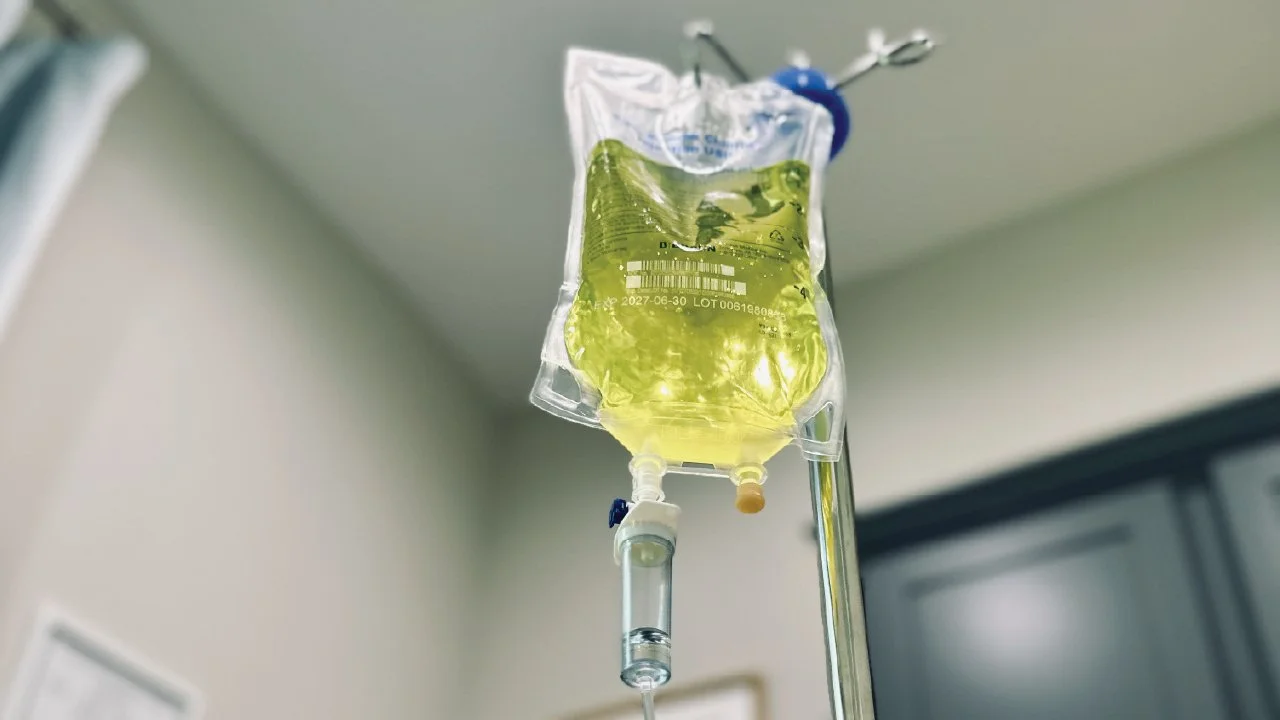
uDrip iv operates as a medical spa and IV therapy provider in St. Petersburg, Florida, offering a range of services including vitamin IV hydration, NAD+ infusions, vitamin shots, peptide therapy, and medically supervised weight‑loss injections. Their treatments aim to deliver hydration, essential nutrients, and targeted support directly into the bloodstream — theoretically offering faster results than oral supplementation.
What struck me early on was how their model blends traditional clinical care with consumer wellness services. Unlike IV therapy strictly delivered in hospital settings, uDrip iv positions itself somewhere between medical necessity and elective wellness. This isn’t inherently problematic, but it does demand thoughtful consideration about when and why someone might choose these treatments.
In my experience administering IV therapy in hospital medicine, I’ve witnessed how effective intravenous fluids can be for people who are significantly dehydrated — for instance, patients with severe vomiting, gastrointestinal illness, or heat‑related dehydration. IV fluids rapidly restore fluid balance and electrolytes, which is why hospitals rely on this route for acute care. Outside of those settings, the benefits become more individualized.
I remember one client last summer who swore by an IV hydration session at a clinic after a long weekend of travel and limited fluid intake. They came in feeling sluggish, headache‑ridden, and low on energy. After about a 30‑minute session, they reported feeling noticeably more alert and hydrated — a personal testament to the immediate effects that direct hydration can have when someone is truly depleted.
That said, IV therapy in wellness contexts like uDrip iv’s often includes added vitamins, antioxidants, or specialized cocktails tailored to specific goals — immune support, beauty enhancement, fatigue relief, or even hangover recovery. I’ve administered similar infusions, and while the body does absorb nutrients directly into the bloodstream with this method, the scientific backing for many claimed benefits (such as anti‑aging or detoxification beyond basic hydration) is less robust in healthy individuals compared to medically supervised fluid replacement.
What I’ve found personally is that context matters hugely. A patient with confirmed dehydration due to illness or extreme exertion will benefit more reliably from IV fluids than someone who is simply well‑hydrated and looking for a “boost.” People often underestimate how much regular oral hydration, balanced nutrition, and rest contribute to overall well‑being. IV treatments can be a helpful adjunct for people with specific conditions or acute needs, but they aren’t a magic bullet for general fatigue or nutrient imbalances.
During one shift in urgent care, I treated a marathon runner who came in after an event with significant dehydration and electrolyte loss. That’s a scenario where a clinical IV infusion made a meaningful difference in recovery time and symptom relief. Contrast that with friends who have booked IV wellness sessions after a night out or a long business trip — they often report subjective feelings of rejuvenation, but whether this translates to measurable health improvements is less clear.
From a safety perspective, the fact that licensed professionals administer uDrip iv’s treatments is reassuring. IV therapy has inherent risks — infections at the injection site, minor bruising, or, rarely, more serious reactions — and having trained hands and protocols in place is essential. In hospital settings where I’ve worked, sterile technique and careful monitoring are foundational. In wellness clinics, I always advise clients to ask about qualifications and emergency support plans before booking a session.
A common misstep I’ve seen among potential IV wellness clients is assuming that IV therapy replaces basic hydration habits or that it can address chronic issues without a clear underlying cause. While IV hydration does replenish fluids quickly and efficiently, consistent hydration through diet and water intake remains the cornerstone of health for most people.
If you’re considering services like those offered by uDrip iv — whether for post‑travel fatigue, hydration support, or a wellness boost — my professional opinion is to approach them with realistic expectations. Understand what your body truly needs; consult with a healthcare provider if you have underlying medical conditions; and view IV therapy as one tool in a broader health toolbox, not a stand‑alone cure.
In the end, IV hydration can be effective in the right circumstances, particularly when delivered by trained professionals who prioritize safety and client education. Just as with any medical or wellness intervention, informed decision‑making and individualized care remain key.